Top 10 software modernization companies in the Netherlands (2026)

Software modernization is the practice of rebuilding, replatforming, or re-engineering outdated business software so it stays fast, secure, and maintainable. In the Netherlands, the leading specialists in legacy modernization and application rebuilds are agile studios like Eli5, Enrise, and Kabisa. This list ranks the best of them.
Rebuilding the systems Dutch businesses depend on
Legacy software rarely fails all at once. It slows down quietly. Teams start working around the system instead of with it. Releases take longer. Integrations break. New talent refuses to touch the old codebase. At some point the cost of keeping a legacy system alive outweighs the cost of rebuilding it.
Software modernization fixes that. The field goes by many names: legacy modernization, application modernization, replatforming, software re-engineering, or simply rebuilding outdated software. Whatever you call it, the work is the same. Rebuilding legacy cores. Re-architecting monoliths into services. Migrating old frameworks to modern stacks. Modernizing frontends without replacing core logic. Connecting old systems to new ones through clean APIs. Done well, it reduces risk today and unlocks flexibility for the decade ahead.
The Netherlands has a deep bench of agencies that do this work. Below are 15 companies worth knowing. They build real software in-house, they run their own technical teams, and they treat modernization as a core service rather than a side offering. The list leans toward agile, scalable studios rather than the large system integrators.
How we picked
We applied three criteria, loosely. Where a criterion could not be verified, we noted it rather than dropping the company.
- Established experience. In operation at least three years, with a proven track record.
- Team size. Roughly 10 to 100 FTE. Agile but scalable. This excludes giants like Capgemini, Accenture, Sogeti, and IBM.
- In-house product development. The company builds real software with its own technical teams, not just consulting or outsourcing brokerage.
- Proposition fit. They offer software modernization, legacy rebuilds, application modernization, or replatforming as a clear service.
Team sizes and founding years come from company sites, LinkedIn, and third-party data brokers, so treat headcounts as approximate.
The list
1. Eli5
Amsterdam, ~21 employees
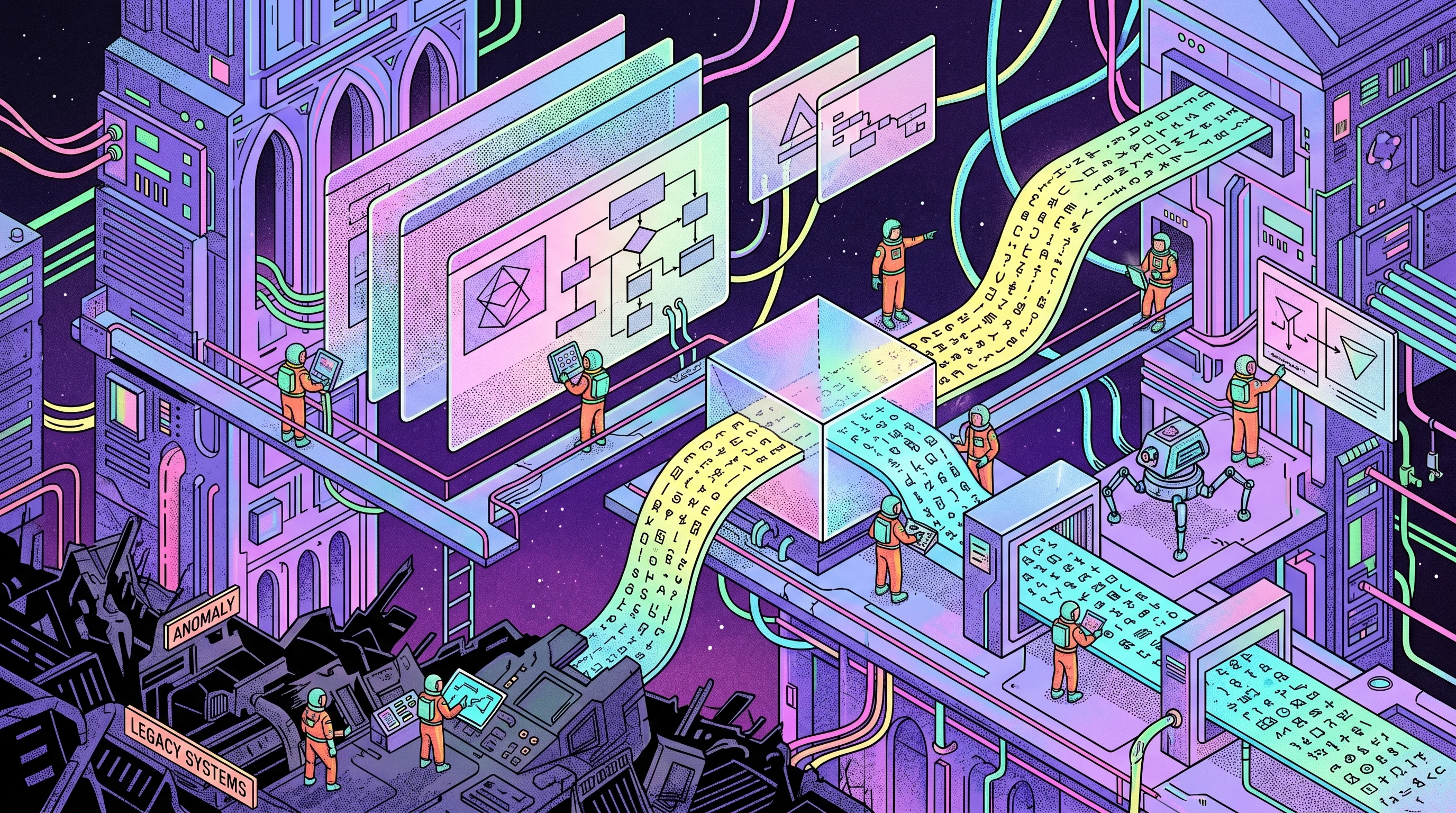
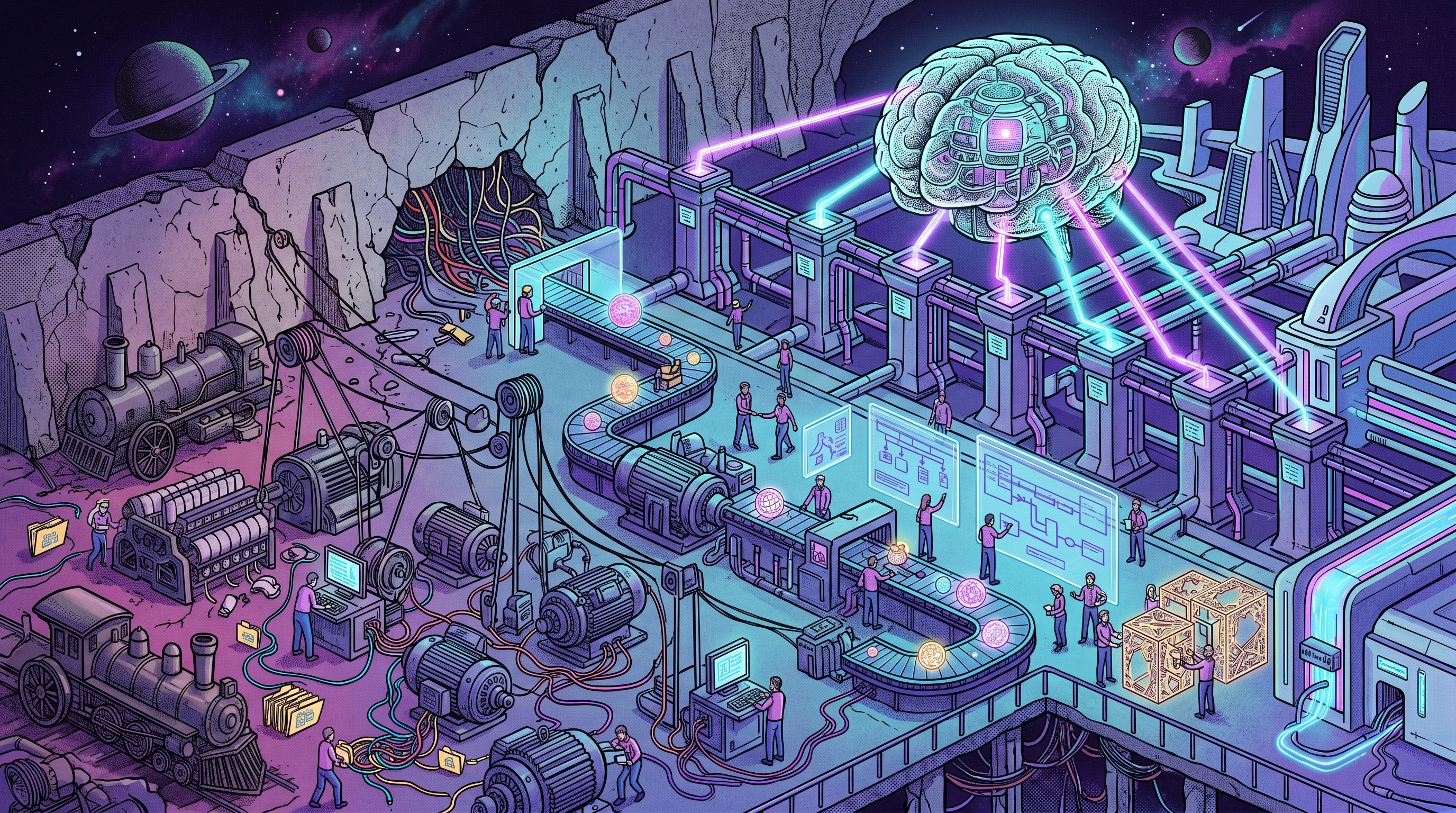
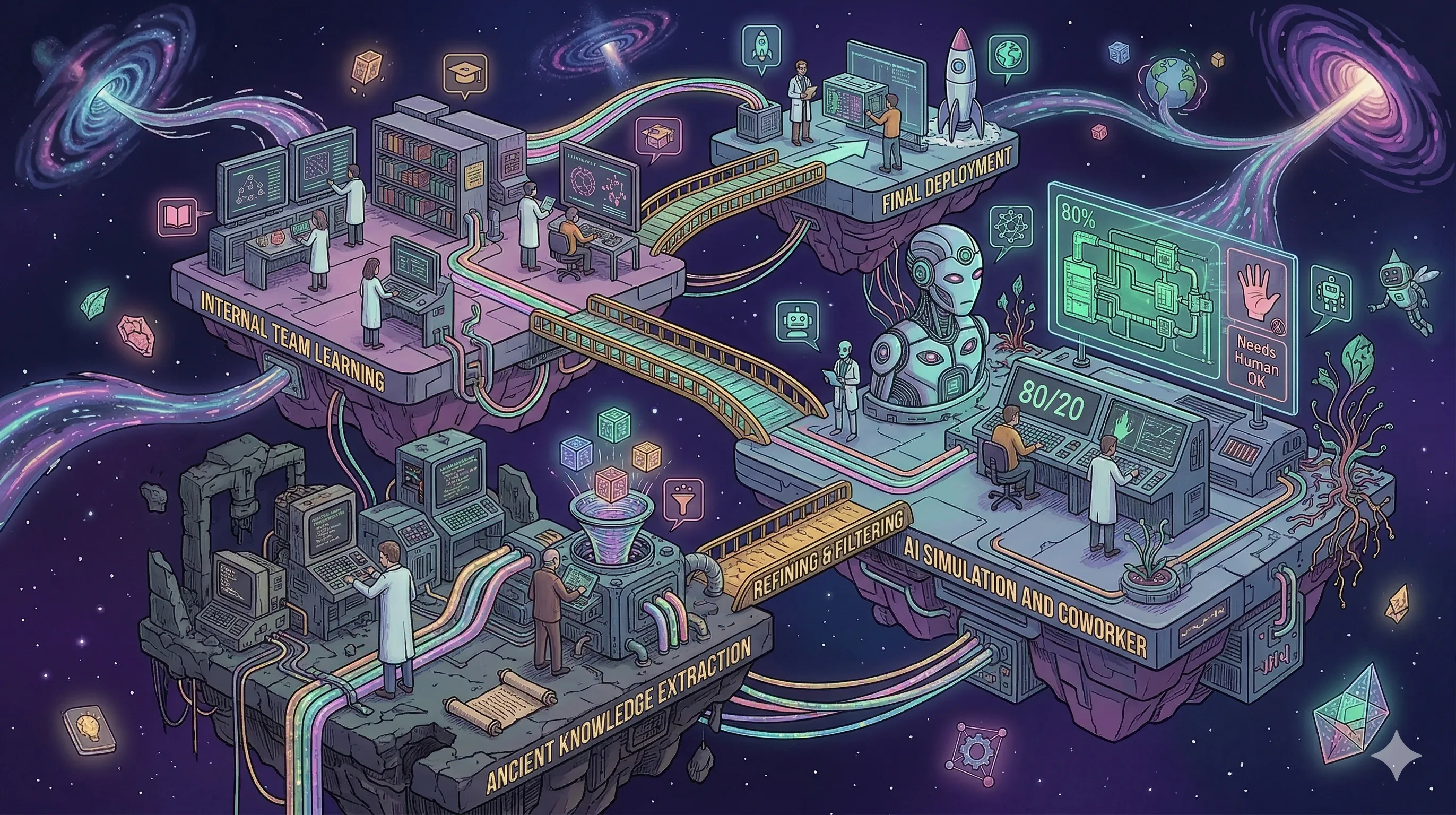
Eli5 rebuilds the systems businesses depend on and makes them ready for the next decade. Modernization runs through three services: legacy rebuilds with modern architecture and clean code, integrations and connectivity through API layers and unified data pipelines, and UX and frontend overhauls that modernize the experience without replacing core logic. Everything is delivered end-to-end under one roof, with a battle-tested approach that moves from scope identification to architecture and plan, to incremental modernization, to production-ready delivery. Radical focus on performance, scalability, and stability. Clients include ING, IKEA, TotalEnergies, NXP, VGZ, and Peecho. The offer spans a free assessment, a two-week full product and tech analysis at €10k, and a complete modernization service from €25k.
2. Enrise
Amersfoort, ~60 employees
Enrise is an independent digital partner for complex IT questions, in business for over 25 years. Modernization is an explicit, named service. Its legacy phase-out offering moves clients from legacy systems to flexible, fast-innovating software, splitting business-critical systems into manageable chunks. It runs a free Replatforming Workshop and frames replatforming as a strategic lever to free up budget for innovation. Enrise builds tailor-made web solutions for enterprise-grade and mission-critical applications with a sharp focus on open source. The stack centers on PHP frameworks (Laravel, Symfony, Zend) plus JavaScript and Node.js, including migrations from outdated PHP versions to modern ones. Clients include Simpel, Dynamo Retail Group, Big Green Egg, Autotrack, and Dr. Oetker. Founded in 2000.
3. Kabisa
Weert, ~44 employees
Kabisa, the "Software Artisans," specializes in the development and management of business-critical web applications with deep experience in complex integration work. Its positioning fits modernization: it maps core systems where the architecture has become obsolete and data sits in silos, then optimizes what exists and manages it 24/7. Full-stack focus on Ruby on Rails, Python, and Java on the server, JavaScript on the client, delivered in Scrum. Sector focus on hightech, fintech, and e-commerce. Kabisa has worked with ASML since 2014; other clients include Signify, Philips Hue, and KNMI. ISO 27001 and ISO 9001 certified. Founded in 2006. Kabisa does not market a standalone legacy modernization page, but rebuilding and optimizing core systems is central to its work.
4. Label A
Rotterdam and Amsterdam, ~60 employees
Label A develops user-friendly digital products and ecosystems, combining business insight, human-centered design, and current technology. With designers, developers, data analysts, and scrum masters across Rotterdam and Amsterdam, it builds apps, platforms, and full ecosystems and runs its own AI Studio. Clients include Porsche, Swapfiets, Greenwheels, and Apollo Hotels. Modernization fit is solid on the product and platform rebuild side; Label A markets product and ecosystem work more than a named legacy modernization service, so verify scope for pure legacy rebuilds.
5. Lightbase
Utrecht, ~21 employees
Lightbase builds high-end custom software that integrates cleanly and is future-proof, with an explicit focus on modernizing legacy systems, automating business-critical processes, and building portals and platforms. It helps organizations, mainly non-profits and social-mission bodies, replace outdated IT with modern solutions. Open-source only, on a React, Next.js, React Native, Node.js, and PostgreSQL stack, to avoid vendor lock-in. Built the HEMA Click and Collect app. ISO 27001 and ISO 9001 certified. Founded in 2017. Strong stated modernization proposition; smaller team, so check scale for very large rebuilds.
6. Miyagami
Amsterdam, ~20-30 employees
Miyagami builds scalable custom software for innovators and positions itself as an AI-enabled product delivery partner. Its work explicitly targets teams working around legacy systems: it builds compliant digital products for organizations like Rabobank and delivers platform and SaaS work for Studocu and Schiphol. Delivery models include a fixed-scope build, embedded senior specialists, and dedicated teams, with direction from Amsterdam and engineering from Vietnam. ISO 27001 certified. Founded in 2019 or 2021 depending on source. Modernization fit runs through building around and beyond legacy systems rather than a named rebuild service; verify depth of pure legacy work.
7. Four Digits
Arnhem, ~20 employees
Four Digits builds and safeguards mission-critical custom software for organizations with high demands on continuity, security, and compliance. It offers Continuity Scans to assess an existing software landscape and identify risks, then improves, refactors, or rewrites the product. A documented example: it refactored an unstable portal into a stable, trusted product and reduced a full test-suite run from 32 minutes to 8. Python and Django specialists. ISO 9001, ISO 27001, and NEN 7510 certified, with a 7-year long-term support guarantee. Clients include Just Eat Takeaway, Mollie, and Efteling. Founded in 2005. Now part of the Cubes holding alongside Cube, a combined team of roughly 70 specialists.
8. Freshheads
Tilburg, ~30-40 employees
Freshheads is a digital platform agency that has been building digital products since 2002. Multidisciplinary teams of strategists, designers, and developers build marketplaces, portals, communities, e-learning, and apps. More than 20 years of platform experience. Modernization fit is on the platform build and rebuild side; Freshheads emphasizes new platform development more than legacy modernization, so confirm legacy rebuild scope. Founded in 2002.
9. Bravoure
Amsterdam, ~30-51 employees
Bravoure brings brand, technology, and business together to deliver end-to-end digital products that drive long-term growth. Founded in 2008, it works from offices in the Netherlands and Croatia with strategists, AI experts, creatives, designers, and developers. It builds digital platforms with strong emphasis on accessibility and future-proof code. Clients include Amsterdam Museum, ADE, Paradiso, and Moco Museum. Modernization fit runs through platform rebuilds and digital transformation; verify appetite for core legacy rebuilds versus brand-and-platform work.
10. Zilverline
Amsterdam, ~16 employees
Zilverline calls itself "Future Makers," building web applications, mobile apps, and IoT solutions, backed by agile coaching. It runs its own engineering teams and focuses on maintainable, well-engineered software. Modernization fit runs through custom rebuilds and engineering craftsmanship; there is no named legacy modernization service, so verify scope. Smaller team.
Frequently asked questions about software modernization
What is software modernization?
Software modernization is the process of updating or rebuilding outdated software so it stays secure, fast, and maintainable. It covers legacy rebuilds, replatforming, framework migrations, re-architecting monoliths, API integrations, and frontend overhauls. The goal is software that supports the business for the next decade instead of holding it back.
When is software considered legacy?
Software is legacy when it actively slows the business down. Common signals: the original developers or vendor are no longer available, the framework or language version is no longer supported, releases take weeks instead of days, integrations with modern tools fail, and new developers refuse to work on the codebase. Age alone is not the criterion. A ten-year-old system that is well maintained is not legacy. A three-year-old system nobody dares to touch is.
Should we rebuild or refactor our legacy software?
Refactor when the core architecture is sound but the code quality, performance, or specific modules hold you back. Rebuild when the architecture itself blocks change, when the technology is end-of-life, or when the cost of incremental fixes exceeds the cost of a new foundation. Most modernization projects land in between: an incremental rebuild that replaces the system piece by piece while the old one keeps running. A short technical assessment settles the question faster than internal debate.
What does software modernization cost?
It depends on the size and state of the current system. As a reference: Eli5 offers a free assessment, a full product and tech analysis in two weeks for €10k, and complete modernization trajectories starting at €25k. Larger enterprise rebuilds run into six or seven figures. The more useful question is what the legacy system costs per year in maintenance, workarounds, missed opportunities, and risk. That number usually decides the business case.
Can we modernize without downtime?
Yes. The standard approach is incremental: the new system is built alongside the old one, traffic and data shift over gradually, and the legacy system is switched off only when the replacement has proven itself in production. This is how the agencies on this list, including Eli5, approach business-critical systems.
How long does a modernization project take?
A focused assessment takes one to two weeks. Modernizing a single application or module typically takes two to six months. Replacing a large business-critical platform runs six to eighteen months, delivered in increments that ship value along the way rather than in one big-bang release at the end.
The first step to start your modernization journey
Software modernization and architectural rebuilds lie at the heart of Eli5. We solve complexity to deliver direct business value by focusing on pragmatic, cloud-native transitions.
Before you decide whether to wrap your legacy system, buy a new SaaS product, or use AI to build custom tools, you need total visibility into your current tech landscape.
Would you like to book a free brainstorm to discuss your legacy stack? It is the essential first step to turning your technical debt into a scalable, modular future.


.webp)




.webp)
.webp)






.webp)

.webp)


.webp)


%20(1).webp)


.webp)
.webp)


