Eli5 article review series: the human in software modernization and AI implementations
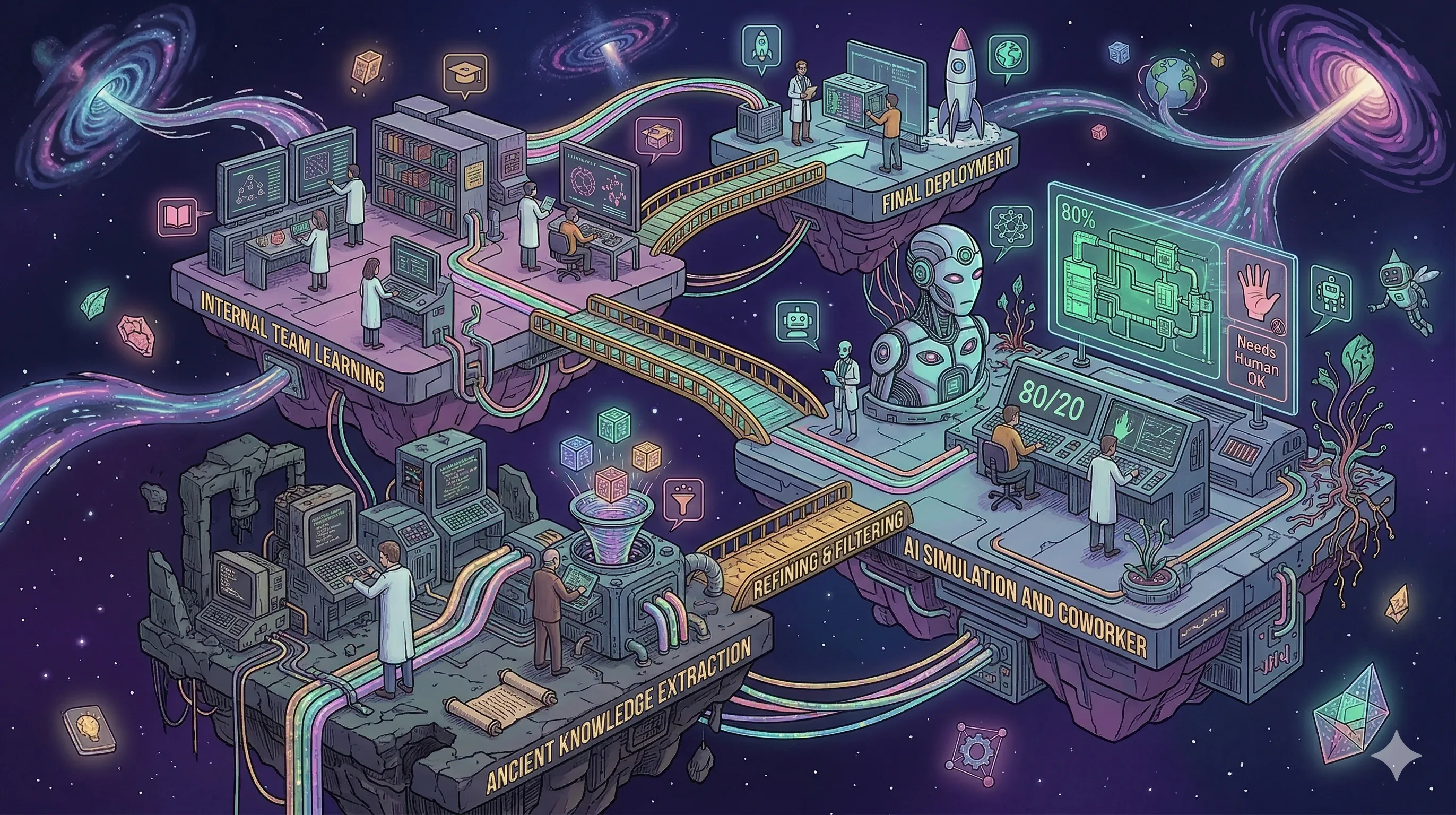
This week, we reviewed articles regarding agentic AI and legacy software modernization.
There is a wave of application rebuilding and replacement going on. At Eli5, we review articles about software modernization every week to find real value for CTOs, PMs, and POs who have to deal with the modernization of legacy software.
The integration of artificial intelligence into enterprise architecture is forcing technology leaders to rethink their modernization strategies. As we move from traditional digital transformation to AI-driven workflows, the human and operational challenges become the true bottlenecks.
Rethinking enterprise architecture for the agentic era
Source: McKinsey
Abstract. Tech leaders face a choice in modernizing enterprise IT architecture with agentic AI by selecting either incremental change or full-scale transformation. Incremental integration deliberately adds agentic AI into existing systems over time. Comprehensive transformation requires a complete overhaul of an enterprise architecture to support agentic workflows.
Review and Insights. The article presents a full-scale transformation as a viable option. We find this highly optimistic for most organizations. Doing everything at once ignores the complex human and operational realities of a business.
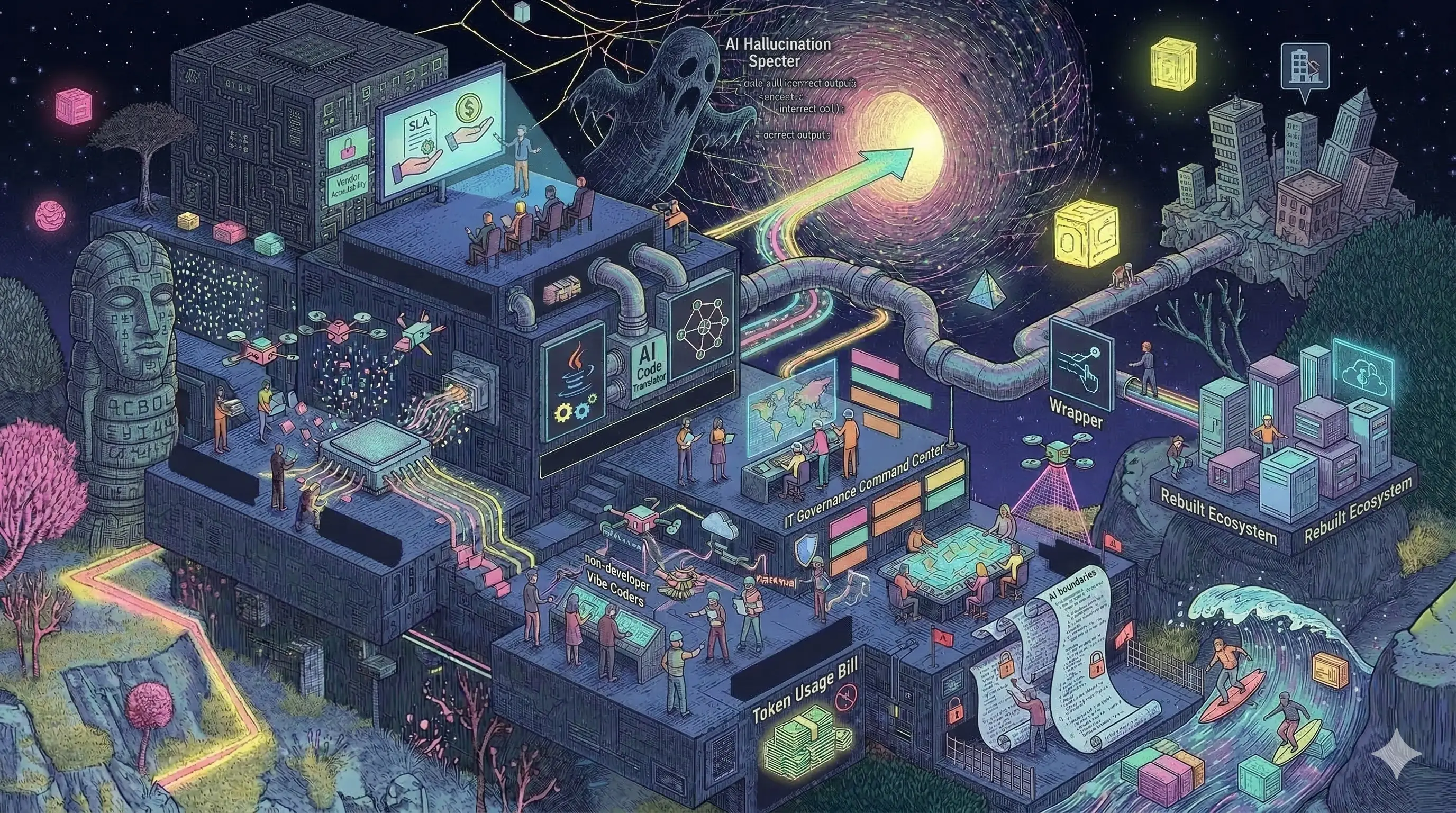
- The reality of vendor lock-in. Full-scale transformation is often legally impossible. Many enterprise architectures are tied up in multi-year vendor contracts, like a ten-year Microsoft agreement, meaning you cannot touch the core system even if you want to. Building a user-centric AI layer on top is often the only realistic path forward.
- The agency handover trap. It never works when an external party creates a new system, hands it over, and leaves. The true value of bringing in an external team is transferring institutional knowledge about processes, testing, and security to the internal staff. If the internal team does not back the plan or understand the new architecture, the modernized system will eventually fail.
- Extracting hidden business rules. Legacy systems are full of specific compliance and governance gotchas that are not documented anywhere. You cannot discover this knowledge just by looking at the code. You have to extract it directly from the people maintaining the current systems before they retire or leave.
How agentic AI helps heal the systems we can't replace
Source: Northwest Quantum
Abstract. Many important systems that process vital workflows are too deeply outdated to be paused or replaced. Amazon trains AI agents on high-fidelity simulations of these legacy systems to learn their quirks, delays, and invisible dependencies. By managing the idiosyncrasies behind the scenes, the agent effectively becomes a universal interface that customers can use for various tasks without dismantling the old infrastructure.
Review and Insights. Keeping critical legacy software in place while using AI to bridge the gaps is a highly practical strategy. Building layers on top of legacy systems creates its own set of fascinating challenges regarding the daily life of software engineers.
- The three times mental load. Operating these AI systems changes an engineer's role from executing tasks to managing an AI. If you do not feed the AI the correct tooling and guardrails, the engineer has to constantly steer and judge the output, which creates three times the normal mental load and leads to massive burnout.
- The 80/20 coworker model. To prevent this cognitive drain, organizations should treat the AI like a coworker rather than a basic tool. The system must be designed so the AI handles eighty percent of the tasks autonomously. The remaining twenty percent is where the AI pings the engineer for guidance, similar to getting a direct message on Slack.
- Politeness dictates code quality. It turns out that the way you talk to an LLM directly impacts the quality of the output. Because these models pull training data from the internet, being dismissive taps into the lower-quality, snarky responses found on forums. Approaching the AI with a polite, scientific tone actually retrieves higher-level, professional responses.
- Engineers make the best orchestrators. A non-engineer might give a vague prompt like make it scalable, which the AI can misinterpret in a million ways. An engineer understands the backend context and can explicitly ask for a sharded database, making them far better equipped to manage and approve agentic workflows.
Full video episode: The human in software modernization and AI implementations
The first step to start your modernization journey
Software modernization and architectural rebuilds lie at the heart of Eli5. We solve complexity to deliver direct business value by focusing on pragmatic, cloud-native transitions.
Before you decide whether to wrap your legacy system, buy a new SaaS product, or use AI to build custom tools, you need total visibility into your current tech landscape.
Would you like to book a free brainstorm to discuss your legacy stack? It is the essential first step to turning your technical debt into a scalable, modular future.






.webp)




.webp)
.webp)















.webp)

.webp)


.webp)



%20(1).webp)


.webp)
.webp)


