Eli5 article review series: Software modernization and the future of SaaS
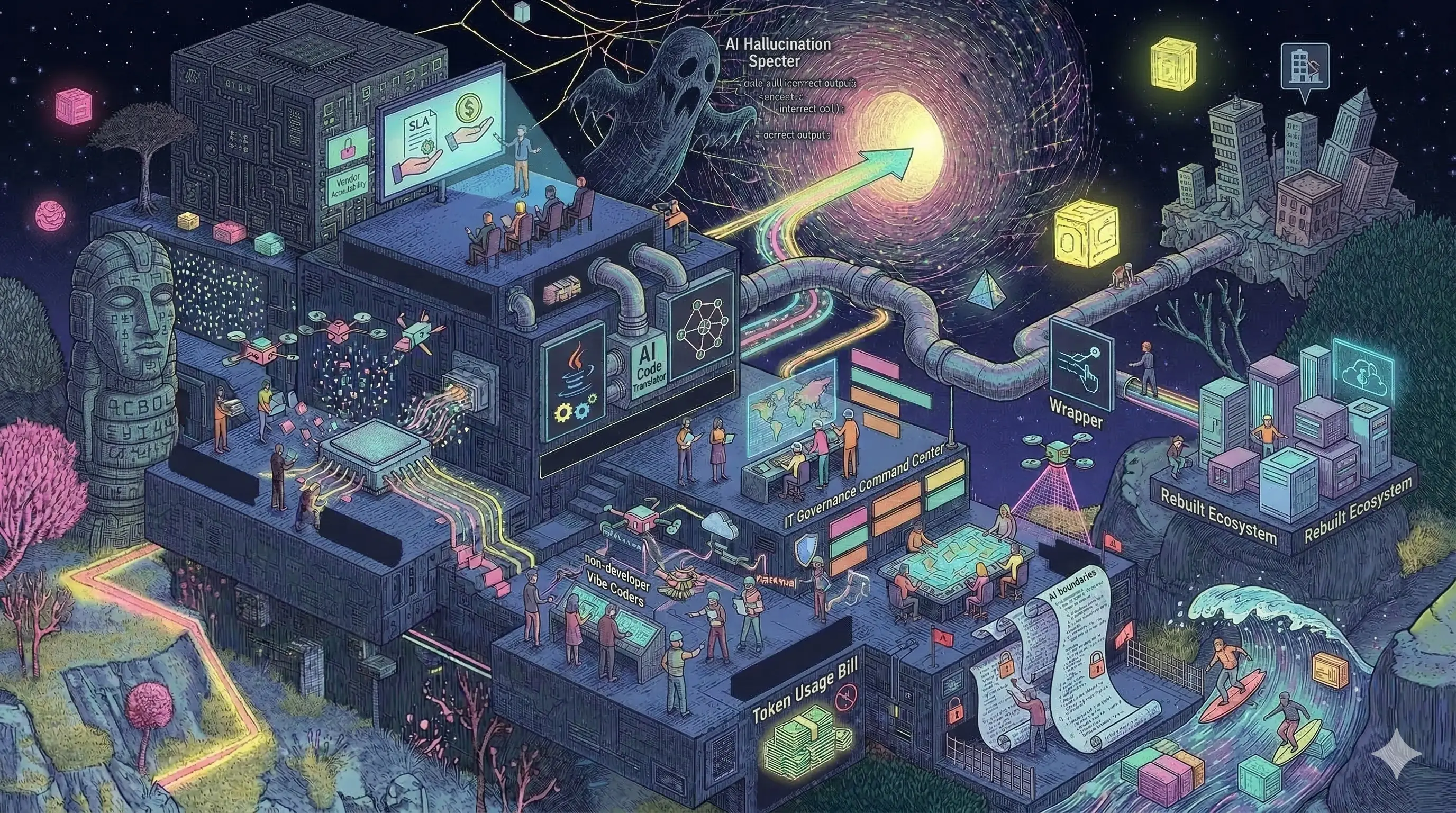
This week, we discussed the recent panic in the SaaS market and the realities of using AI to modernize deep legacy systems.
There is a wave of application rebuilding and replacement going on. At Eli5, we review articles about software modernization every week to find real value for CTOs, PMs, and POs who have to deal with the modernization of legacy software.
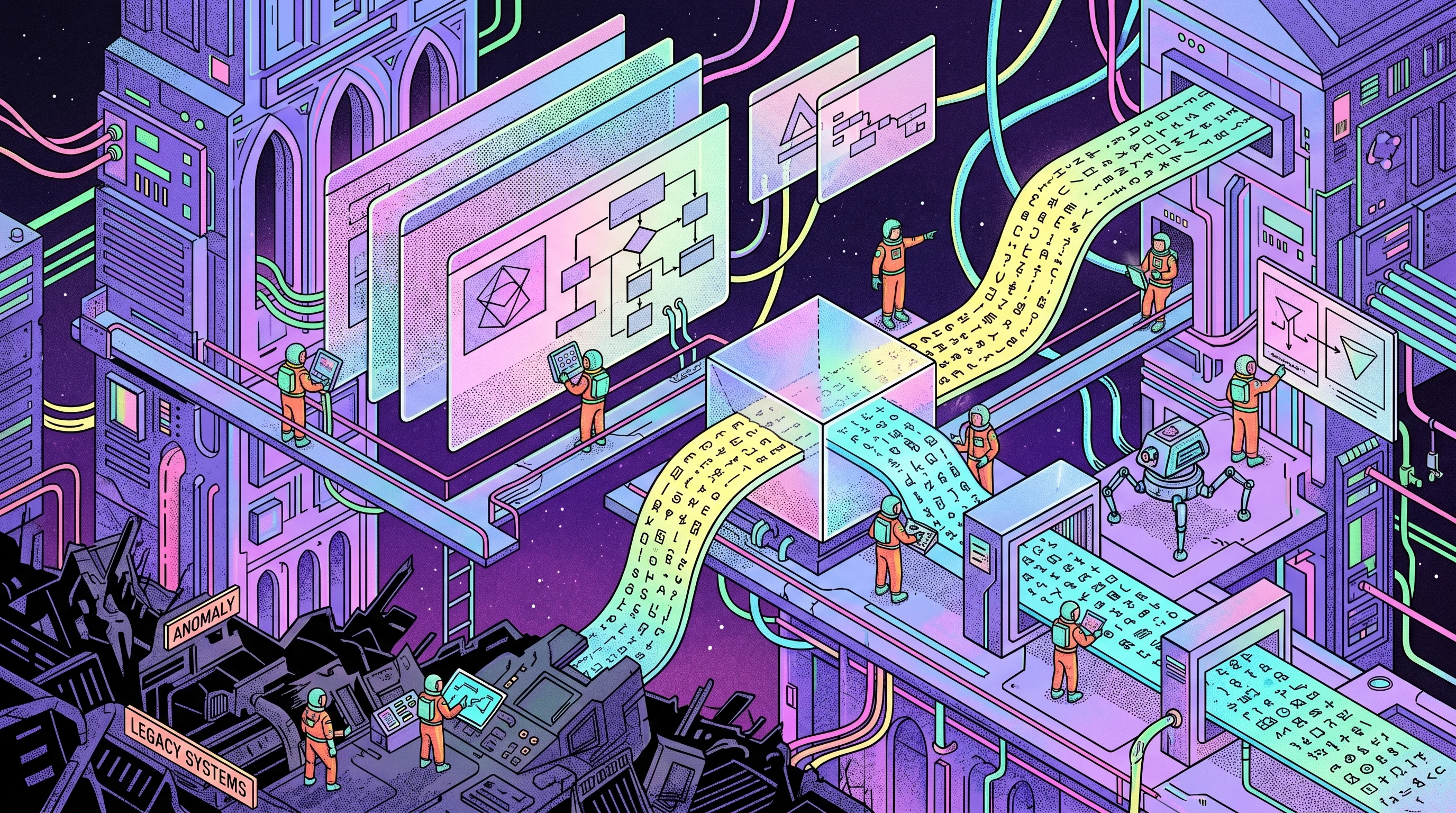
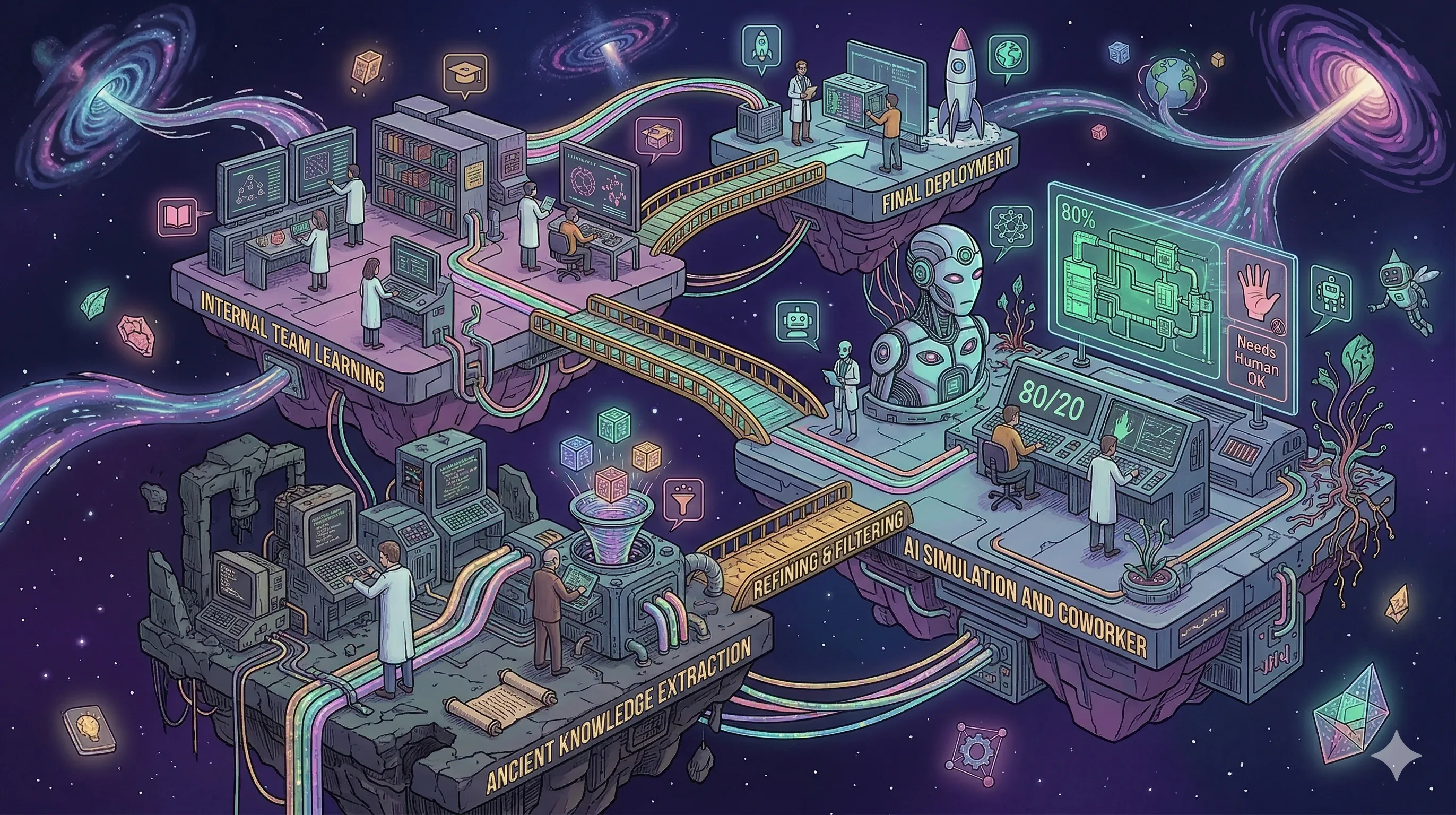
AI helps break the cost barrier to COBOL modernization
Source: Financial Times & Anthropic
Abstract. Investors are growing wary of capital-light SaaS businesses, leading to a noticeable decline in software and services stocks. This market shift is driven by the belief that generative AI tools, such as Claude, will empower organizations to build highly customized internal tools and modernize legacy code (like COBOL) rather than paying for traditional SaaS products.
Review and insights. When diving into the realities of mainframe modernization, it becomes clear that simply translating code is not a silver bullet. In our discussion, we highlighted several core hurdles:
- The ecosystem: Translating COBOL to Java or Python only replaces a script. Legacy mainframes from the 1960s and 1970s are deeply entangled with purpose-built databases and interconnected systems. You cannot modernize a system without rebuilding the entire ecosystem that surrounds it.
- Accountability: Buying commercial SaaS comes with service-level agreements (SLAs) and a vendor to hold accountable if unauthorized access occurs or systems go down. If you rely entirely on AI to generate custom internal tools, there is no one to hold accountable or seek financial compensation from when the AI hallucinates, deletes data, or writes flawed code.
- Wrapper strategy: Instead of a full, high-risk rewrite, organizations can build modern wrappers around legacy databases to improve user experience. For example, condensing a 20-click legacy process into a single click. However, this is only viable if the underlying legacy system actually supports data exposure.
Concluding remarks. While AI is an excellent conversational partner for understanding the intent behind decades-old code, treating it as a push-button migration tool vastly underestimates the complexity of enterprise ecosystems. Furthermore, shifting away from SaaS transfers the entire burden of risk and accountability directly onto your internal team.
"Vibe Coding" custom features on base platforms
Source: LinkedIn (Odoo CEO)
Abstract There is a growing trend suggesting that non-developers can use LLMs to "vibe code" custom features and plugins on top of base ERP or CRM platforms. The premise is that you can buy a world-class base application and allow internal teams to ship custom functionality simply by prompting an AI, effectively replacing traditional development.
Review and insights While this approach democratizes feature creation, it completely bypasses necessary technical governance. Our technical leadership flagged severe risks with this methodology:
- Security: Allowing non-technical users to ship AI-generated code introduces massive attack vectors. For example, if a non-developer improperly scopes an API key for a simple map plugin while also utilizing generative AI features, they could accidentally expose secure data or rack up massive token usage bills.
- Code vs. Boundaries: The core value of software engineering has never just been writing the code itself. True engineering is about defining system boundaries, communicating securely between services, and mitigating risk—nuances that an LLM cannot enforce on behalf of an untrained user.
- Reviews: Reviewing AI-generated code requires a higher cognitive load than writing it from scratch. When AI outputs complex files, development teams are more likely to miss critical flaws than if they had engineered the solution themselves.
Concluding remarks. Vibe coding may sound appealing for rapid innovation, but without strict IT oversight and boundary management, it is a fast track to critical security breaches and unmanageable technical debt.
Full video episode: Software modernization and the future of SaaS
The first step to start your modernization journey
Software modernization and architectural rebuilds lie at the heart of Eli5. We solve complexity to deliver direct business value by focusing on pragmatic, cloud-native transitions.
Before you decide whether to wrap your legacy system, buy a new SaaS product, or use AI to build custom tools, you need total visibility into your current tech landscape.
Would you like to book a free brainstorm to discuss your legacy stack? It is the essential first step to turning your technical debt into a scalable, modular future.



.webp)





.webp)
.webp)














.webp)

.webp)


.webp)



%20(1).webp)


.webp)
.webp)


