What we do

Software modernizationthat enables AI.

Our modernization service helps organizations with legacy platforms or applications by determining the best way forward, modernizing the systems, and enabling AI in both process and product.

Get in touch

First modernize, or straight to AI

The assessment decides which route the work takes. If the platform is sound, AI can start right away. If it is not, we modernize first, and AI follows.

Platform already sound? Straight through to AI
Start

Assessment

An analysis of the existing platform, the data flows, and the processes around them.

Read moreShow less about Assessment

No route gets chosen before the system is understood, because legacy platforms hold years of business logic that exists for a reason.

The findings determine what gets rebuilt, what gets modernized, and what stays. Sometimes the advice is to change less than expected, and that advice is part of the service.

What this delivers
  • A documented picture of the platform, the data, and the risks
  • The route: rebuild, modernize in parts, or keep
  • Phases and costs, known upfront
Route A

Modernization

The platform gets brought up to standard while daily operations continue.

Read moreShow less about Modernization

The work follows the route from the assessment, whether that means a complete rebuild or targeted changes.

After modernization, feature development and maintenance speed up instead of slowing down each year. The backlog starts moving, and AI-assisted development works properly on a clean, documented codebase.

  • A modern, documented system the internal team can work with
  • Integrations that remove double entry between systems
  • Feature development that gets faster, and a next change that gets cheaper
Outcome

AI in process and product

On a foundation that can carry it, AI takes over repetitive work: document handling, data entry, checks.

Read moreShow less about AI in process and product

In the process, that means fewer hours on administration. In the product, it means software that reads, structures, and prepares work on its own.

Staff keep the final say on every outcome. The models run on European hosting, in compliance with the GDPR and the AI Act.

  • Automation that demonstrably saves hours in the daily work
  • Human control over every automated decision
  • Knowledge bases the organization can adapt as rules change

Core services

Analyse what is there first, then build. Both with a fixed runtime and a price up front.

Read more

Our work in practice

All cases
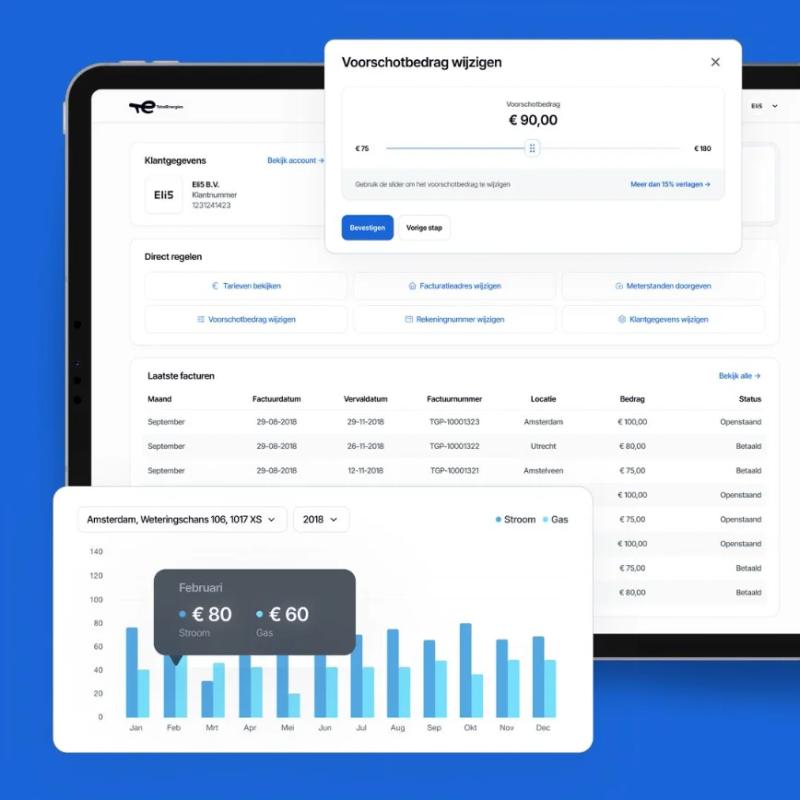
Modernization
The TotalEnergies customer portal on a tablet, showing an invoice list and a usage chart.

TotalEnergies

Contract and quote processing rebuilt into one automated flow, connected to the CRM, EDSN, and the grid operator.

AI in process
The HeadFirst Group genAI lab title card.

Headfirst

Candidate interviews transcribed, summarized, and entered into the recruitment system, with recruiters making the final assessment.

AI in product
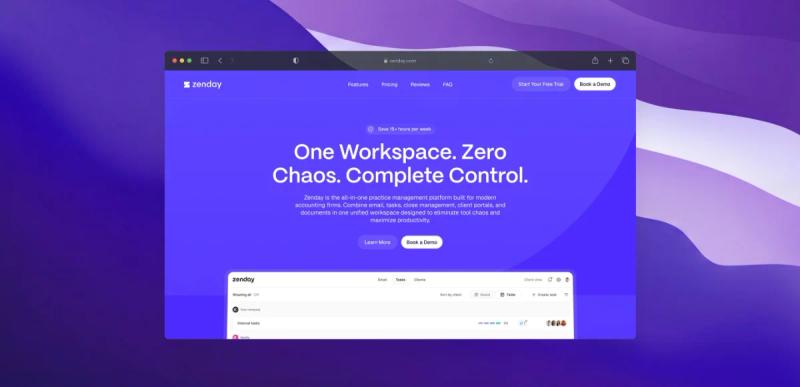
The Zenday web app in a browser window on a purple background.

Zenday

An accounting platform where AI monitors and matches transactions, and accountants make the final call.

The engineers who scope the work also build it. Compliant with European rules such as the GDPR and the AI Act.

  • Fifteen years on legacy platforms
  • Senior engineers only
  • European hosting
  • GDPR compliant
  • AI Act compliant
  • PCI-DSS via SAQ
  • Human in the loop
  • ISO 27001:2022 in progress
Secure development lifecyclePen testing on request
RequirementsRisk scoring
DesignSecurity-first
DevelopmentSAST & SCA
TestingAutomated tests
MaintenanceMonitoring & scanning

Common questions

Straight answers to the questions that come up in most first conversations.

Does modernization always mean a complete rebuild?

No. The assessment determines the route, and the outcome ranges from a complete rebuild to targeted changes. Sometimes the advice is to change less than expected, and that advice is part of the service.

Does the daily operation stop during modernization?

No. The platform gets brought up to standard while daily operations continue. Continuity is a requirement of the work, planned for from the assessment onward.

Can AI be implemented without modernizing first?

When the platform and the data are sound, yes. The assessment establishes whether that is the case. When the foundation cannot carry reliable AI yet, that finding comes first, with the route to fix it.

Does Eli5 use AI during the work itself?

Yes, on both sides of the work. During the assessment AI helps read existing codebases and reconstruct thin documentation, so years of accumulated business logic surface in weeks instead of months. During development AI-assisted engineering speeds up building and testing, and it performs best on a clean, documented codebase, which is what modernization produces, so the gains compound over time. An engineer reviews everything that ships, following the same rule Eli5 applies to client work: prepared by the machine, checked by a person.

Which AI models does Eli5 work with?

Models from OpenAI via Microsoft Azure, Anthropic, and Google, chosen per engagement. The models run on European hosting, in compliance with the GDPR and the AI Act.

What does human in the loop mean in practice?

AI does the preparatory work, such as reading documents, entering data, and running checks, and staff make the final call. Rules and criteria live in adaptable knowledge bases, so the software moves with changing regulation.

Who does the work?

A team of around twenty engineers with fifteen years of experience. The engineers who scope the work also build it, and the direct contact is a partner rather than an account layer.

How does an engagement start?

With an assessment of the existing platform, the data, and the processes around it. The first conversation about it is free of charge and without obligation.

Start with a conversation

Bring the challenges currently on the table and we will give our perspective on them. No charge and no obligation.

Floris Schoenmakers · Partner
Kishan Chamman · CTO

Book a short meeting